
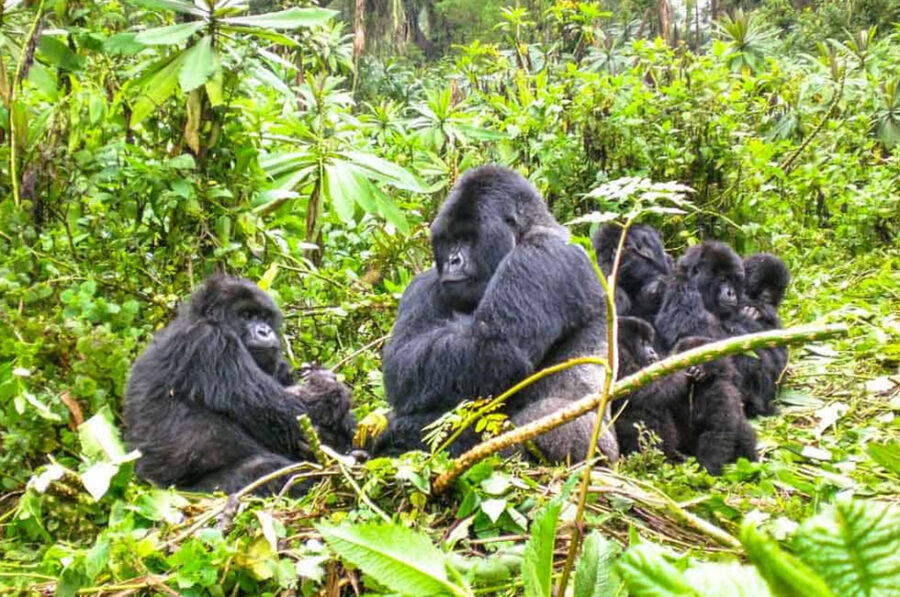
Rwanda has earned a global reputation as one of the best destinations for gorilla trekking, offering a rare opportunity to encounter endangered mountain gorillas in their natural habitat. A Rwanda gorilla safari is not just a wildlife experience—it’s a deeply moving journey into one of Africa’s most pristine ecosystems. Here’s a detailed guide to help you understand everything about this unforgettable adventure.
Where gorilla trekking takes place
Gorilla trekking in Rwanda is conducted in Volcanoes National Park, located in the north western part of the country. This park forms part of the larger Virunga Conservation Area, which spans Rwanda, Uganda, and the Democratic Republic of Congo.
The park is home to lush montane forests, bamboo zones, and volcanic slopes that provide an ideal habitat for mountain gorillas. It is also famously linked to the conservation efforts of Dian Fossey, whose research brought global attention to the plight of gorillas.
What is Gorilla Trekking?
Gorilla trekking involves hiking through dense forests in search of a habituated gorilla family. Once located, visitors are allowed to spend one hour observing the gorillas as they feed, play, groom, and interact.
Each trek is guided by experienced rangers who track the gorillas daily. The experience is intimate, educational, and strictly regulated to ensure the safety and conservation of the animals.
Gorilla Trekking Permits
Purchased from Rwanda Development Board or through a licensed tour operator, a Rwanda gorilla trekking permit costs USD 1,500 per person (as of recent updates). This fee includes; park entry fees, trained guides and trackers plus a full hour with a gorilla family.
While the price may seem high, it contributes significantly to conservation efforts and community development around the park.
Best time to go
Rwanda offers year-round gorilla trekking, but the best time is during the dry seasons – June to September and December to February. During these months, trails are less muddy and easier to navigate. However, the rainy seasons (March–May and October–November) offer fewer crowds and lush scenery, though trekking can be more challenging.
Gorilla families in Rwanda
Volcanoes National Park is home to over a dozen habituated gorilla families available for trekking. Some well-known groups include Susa group, Amahoro group, Kwitonda group and Hirwa group. Each group has unique dynamics, and the difficulty of reaching them varies depending on their location.
Physical fitness and trek difficulty
Gorilla trekking can range from easy to strenuous. Treks may last from 1 to 6 hours depending on the gorillas’ movements. The terrain is often steep, muddy, and covered in dense vegetation.
A moderate level of fitness is recommended. Visitors can request easier or more challenging treks depending on their ability.
What to pack
Proper gear enhances your trekking experience. Essentials include:
- Waterproof hiking boots
- Long-sleeved shirts and trousers
- Rain jacket
- Gardening gloves (for handling vegetation)
- Insect repellent
- Drinking water and snacks
Hiring a porter is also highly recommended—they assist with carrying bags and provide support during the hike.
Rules and guidelines
To protect both visitors and gorillas, strict rules such as the following are followed during gorilla trekking experience:
- Maintain a distance of at least 7 meters from gorillas
- Do not visit if you are sick
- Avoid direct eye contact with gorillas
- No flash photography
- Follow your guide’s instructions at all times
These measures help minimize stress and disease transmission to the gorillas.
Accommodation options
Rwanda offers a wide range of accommodation near Volcanoes National Park: Luxury lodges include Bisate lodge, Singita Kwitonda lodge and others. The midrange options include Five Volcanoes lodge, Mountain Gorilla View Lodge, Le Bambou Gorilla lodge and others.
Most lodges provide stunning views of the Virunga volcanoes and easy access to the park headquarters.
How to get to Volcanoes National Park
Most travelers fly into Kigali International Airport. From Kigali, it’s about a 2.5-hour scenic drive to Volcanoes National Park.
Rwanda’s excellent road infrastructure makes travel smooth and efficient compared to other safari destinations.
Conservation and sustainability
Rwanda is a global leader in conservation. Revenue from gorilla permits is shared with communities to promote sustainable development and reduce human-wildlife conflict.
Organizations like the Rwanda Development Board play a crucial role in protecting wildlife and promoting eco-tourism.
Why choose Rwanda for gorilla safaris?
Rwanda stands out for several reasons and among these include;
- Easy accessibility (short travel time from Kigali)
- Well-organized trekking system
- High-end accommodation options
- Strong conservation policies
- Safe and clean environment
Conclusion
A Rwanda gorilla safari is one of the most profound wildlife experiences on Earth. Standing just a few meters away from a mountain gorilla, observing its human-like expressions and behaviors, creates a powerful connection that stays with you forever.
Whether you are a wildlife enthusiast, photographer, or adventure traveler, Rwanda offers a seamless and enriching gorilla trekking experience that blends nature, conservation, and culture into one unforgettable journey.